
Do your plumbing systems leak under high pressure? Leaky pipes cause costly project delays. You can stop these failures today with the right valve choices for your pipelines. Ball valve plumbing uses a spherical disc to control water flow. These valves offer a watertight seal, rapid quarter-turn operation, and exceptional durability. They are the most reliable shut-off choice for residential, commercial, and industrial plumbing systems, easily preventing leaks and reducing long-term maintenance costs.
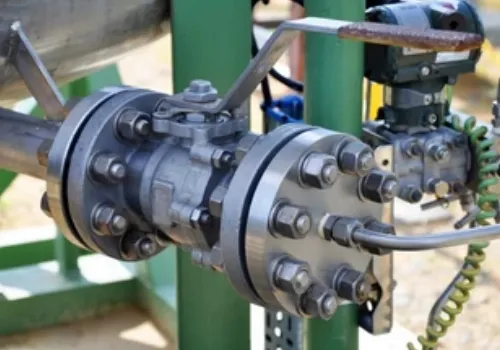
You might think all valves do the same job, but picking the wrong one will ruin your entire pipeline network. Let me show you exactly how different valves function so you never make a costly sourcing mistake again.
Are you tired of replacing broken valves on site? Frequent replacements waste your project budget. You need a durable solution that works perfectly every single time. Ball valve plumbing provides unmatched reliability with a simple quarter-turn mechanism. These valves maintain a tight seal even after years of disuse. They handle high temperatures and pressures easily. This makes them highly versatile and cost-effective for large construction and infrastructure projects.
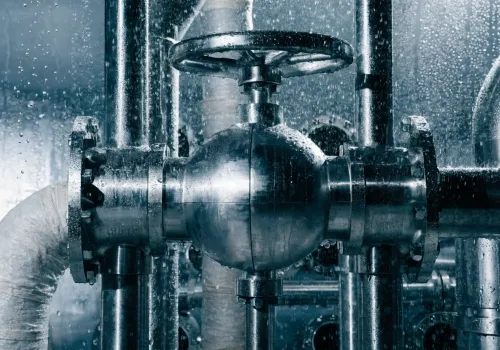
I always recommend ball valve plumbing for shut-off applications. The ball and seat form a very tight seal. This tight seal ensures minimal water leaks when you close the valve. We at Eflow Valve use soft seated ball valves for our EPC clients. These valves work perfectly in commercial pipe systems.
I want to share our recent project experience. We supplied thousands of valves to a major water pipeline project in Africa. The local climate is very hot. The water pressure fluctuates wildly. Our ball valves performed flawlessly under these extreme conditions. We also delivered a complete valve integration solution to a massive construction project in Turkey. The Turkish contractors needed reliable, zero-maintenance valves to save costs. Our ball valves met their strict European standards easily.
You can choose many different materials for your valves. The right material depends on your specific fluid and temperature. I made a simple table to help you understand these options.
| Material | Best Application | Durability |
|---|---|---|
| Brass | Residential water lines | Medium |
| Stainless Steel | Industrial high-pressure pipes | High |
| PVC | Corrosive wastewater | Medium |
Do restricted flow rates damage your water mains? Flow restriction causes pressure drops and system wear. You must select the correct full-flow valve to protect your infrastructure. Gate valves lift a solid gate to allow fluid passage. They offer minimal pressure drop when fully open. They are ideal for main water lines. You must operate them slowly. You should never use gate valves to throttle or regulate water flow.
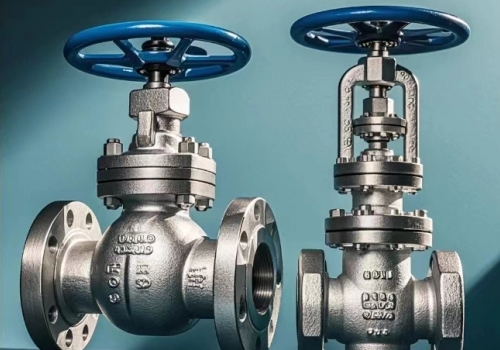
Gate valves operate by raising or lowering a gate inside the valve body. The water path clears completely when the gate lifts. The path is fully blocked when the gate lowers. I often see gate valves in underground pipelines. You should use them where you do not need frequent operation.
You cannot use gate valves for partial flow. Partial openings cause high water velocity. This fast water creates strong vibrations. These vibrations damage the valve seat quickly. You must keep gate valves either fully open or fully closed. I always tell my EPC clients to use ball valve plumbing instead if they need quick, frequent shut-offs.
I want to compare these two common valves clearly. This comparison helps you buy the right product.
| Feature | Gate Valve | Ball Valve Plumbing |
|---|---|---|
| Operation Speed | Slow (multiple turns) | Fast (quarter-turn) |
| Space Required | Large (tall body) | Compact |
| Flow Throttling | Not recommended | Not recommended |
| Visual Status | Hard to tell if open | Easy to see handle position |
We at Eflow Valve help you choose the exact valve type for your pipeline design. I know how important this choice is for your project success.
Does water backflow threaten your clean water supply? Contaminated water ruins entire plumbing networks. You must install safety valves to direct flow and relieve dangerous pressure instantly. Check valves allow water to flow in only one direction. They prevent harmful backflow automatically. Pressure relief valves open to release excess pressure. Both safety devices protect your pipes, fittings, and equipment from catastrophic bursts and costly system failures.
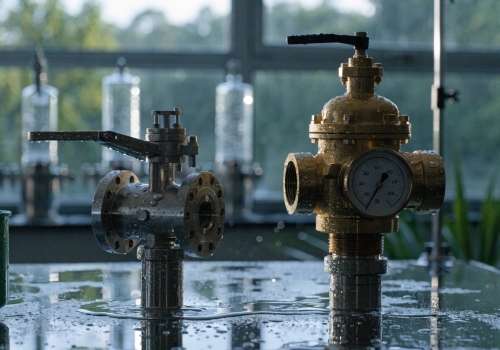
Check valves act as one-way doors for your water. They close immediately when the water stops or tries to reverse. This action prevents dirty water from mixing with your clean water. I supplied hundreds of check valves to a wastewater treatment plant in Turkey last year. The plant engineers needed absolute backflow prevention. Our robust check valves solved their contamination fears completely.
Pressure relief valves act as your ultimate safety net. High pressure destroys pipes and expensive equipment. The pressure relief valve senses this danger hydraulically. It opens up when the pressure hits a set limit. It dumps the extra water safely. The valve closes again when the pressure drops back to normal.
I categorized the most common safety valves for you below.
| Valve Type | Primary Function | Ideal Location |
|---|---|---|
| Swing Check Valve | Prevents fluid backflow | Water pump discharge |
| Spring Relief Valve | Releases excess pressure | Water heaters |
| Globe Valve | Regulates fluid flow | Reservoir tank inlets |
We at Eflow Valve prioritize your system safety above everything else. I will always provide certified, high-quality safety valves for your critical infrastructure.
Valves dictate the safety and success of your pipeline systems. You can eliminate leaks and reduce costs by choosing reliable ball valve plumbing from a trusted partner like Eflow Valve.



 English