
Pipe leaks and broken pumps cause huge project delays. You struggle to stop reverse flow in your systems. I will show you how the right valve solves this problem. So, what is a check valve used for? A check valve allows liquid or gas to flow in only one direction. It stops reverse flow. It protects costly pumps from damage. It controls pipeline pressure. It prevents water hammer. We use these valves in water treatment and hydraulic lines.
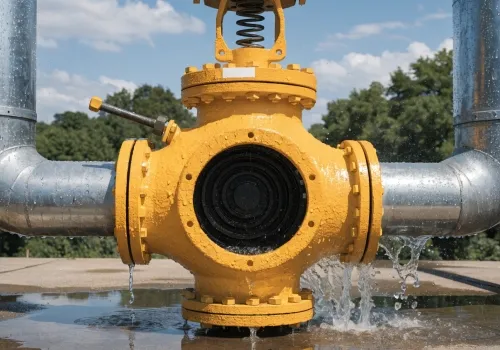
You might think any simple valve can do this job. But a wrong choice can ruin your whole piping network. Keep reading to learn the exact details you need for your next construction project.
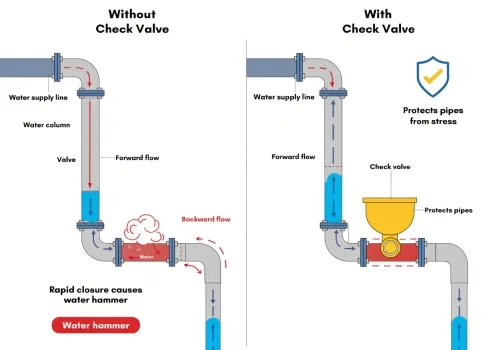
Backflow destroys expensive compressors. Sudden pressure spikes break your pipes over time. You need a reliable way to keep fluids moving forward safely. A check valve prevents backflow. It closes automatically when fluid tries to reverse. This action stops the fluid from mixing or damaging upstream equipment. Special non-slam check valves also absorb sudden pressure changes. This design effectively stops water hammer and protects your entire pipeline.
I often talk with project managers about equipment damage. I remember a big project in the past. Reverse flow ruined a main water pump. This mistake cost the construction company thousands of dollars in repairs. We at Eflow Valve know how to solve this exact problem. You must understand how check valves protect your system.
Backflow happens when the line pressure drops suddenly. The fluid changes direction. It flows backward. It hits the pump impellers. The pump spins in the wrong direction. The pump burns out. A check valve acts as a strong shield for your pump. It only opens for forward flow. We use it in water treatment plants. It separates clean water from dirty water. It ensures dirty water never returns to the clean tank.
Water hammer creates a loud noise inside your pipes. It happens when a standard valve closes too fast. The moving fluid hits a closed wall. The pressure jumps very high. This sudden shock breaks pipes over time. We export non-slam check valves to fix this issue. These special valves close slowly and smoothly. We also supply dual-plate check valves. They stop gas leaks in pipelines. These valves meet strict environmental rules. They keep dangerous gases safely inside the pipe.
| Function | Threat to System | How Check Valve Solves It |
|---|---|---|
| Prevent Backflow | Pump burnout and fluid mixing | Closes instantly when flow reverses |
| Avoid Water Hammer | Broken pipes from pressure shock | Closes smoothly to absorb pressure |
| Control Emissions | Harmful gas leaks into the air | Uses dual-plate design for a tight seal |
Your system loses pressure when pumps stop. The water drains out. The next start fails. You must hold the fluid in place to keep the system ready. People often ask me, what is a check valve used for in daily operations? We use them to keep pumps filled with water. In hydraulic systems, they act as pressure relief tools. They also stop working pumps from pushing fluid into resting pumps.
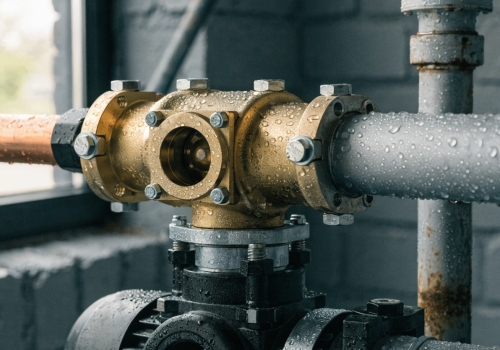
I want to share more details about specific industrial setups. As a buyer for big EPC projects, you buy parts for many different machines. You need to know exactly where these valves go. At Eflow Valve, we export industrial valves for many complex applications. You can trust our experience.
Hydraulic systems use high pressure to do very heavy work. These systems use direct-acting check valves to control internal pressure. The valve has a small spring inside. The spring stays closed until the system pressure gets too high. Then the valve opens automatically to release the extra pressure. Some large systems use many pumps at the same time. A check valve stops the active pump from pushing oil into a stopped pump. This simple protection keeps all expensive pumps safe from damage.
Water pumps need water inside them to start safely. We call this process keeping the prime. We place check valves at the pump inlet and the pump outlet. The valve traps water inside the pump. Boilers also need these valves to function safely. A ball check valve controls water moving from the feed pump to the hot boiler. It stops hot water from flowing back to the cold feed pump.
| System Type | Valve Location | Main Purpose |
|---|---|---|
| Hydraulic System | Between multiple pumps | Stops fluid from entering stopped pumps |
| Water Pump | Pump inlet and outlet | Traps water to maintain pump prime |
| Boiler System | Feed pump discharge line | Prevents hot water from returning |
Confusing valve names lead to wrong purchases. You buy the wrong part. The flow control fails. You need clear definitions to choose the exact right valve. Many engineers wonder exactly what is a check valve used for compared to a non-return valve. Both allow flow in one direction. But a non-return valve is only fully open or fully closed. A check valve changes its opening size based on the fluid pressure to regulate flow. I see many customers use these two names for the same product. This habit causes confusion during the buying process. I always clarify this detail for my clients. We at Eflow Valve want you to buy the perfect product for your project. You need to know the specific technical differences.
A non-return valve is a very basic tool. It only has two working positions. It is either fully open or fully closed. It reacts to the inlet pressure of the fluid. It does not control the speed of the flow. It does not control the volume of the flow. It simply stops reverse flow. You use it when you only need basic flow direction control.
A check valve is more advanced than a basic non-return valve. It offers a wide range of flow rates. The valve changes its opening size based on the exact inlet pressure of the fluid. A higher pressure opens the valve more. A lower pressure closes the valve slightly. This feature gives you better control over your pipeline. Thus, a check valve is a special type of non-return valve. It stops reverse flow. It also regulates the flow rate.
| Valve Type | Opening Status | Flow Regulation |
|---|---|---|
| Non-return Valve | Fully open or fully closed | No flow regulation |
| Check Valve | Variable opening size | Provides flow regulation |
You now know what is a check valve used for in your piping projects. These valves prevent backflow, protect pumps, and regulate pressure. Choose Eflow Valve for your reliable one-stop sourcing.



 English