
Pipeline leaks cost money and risk lives. You struggle to find reliable flow control components. We understand your frustration when sourcing parts for demanding systems. A ball valve for oil and gas industry stops leaks by using a rotating sphere to control fluid. These components provide tight shutoff, handle high pressures, and need minimal maintenance, making them useful for safe upstream and downstream pipeline work.
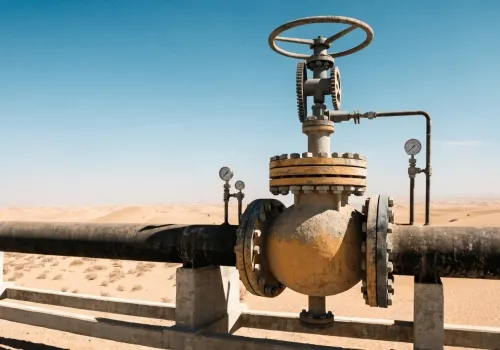
You want to keep your pipeline running without sudden stops. If you ignore the specific demands of these parts, you will face dangerous leaks and expensive downtime that ruins your project.
Choosing the wrong type causes rapid wear. You need specific designs for different pressure levels. We will show you the main types you will encounter. The most common types include floating designs for low pressure, trunnion-mounted designs for high pressure, and top-entry designs for easy maintenance. Each type serves a distinct function based on pressure levels, pipeline size, and your daily maintenance access needs.
· Uses upstream fluid pressure to create a seal
· Costs less money for basic daily applications
· Includes upper and lower supports (called trunnions)
· Handles high pressure and large sizes easily
· Takes much lower operating force to turn
· Matches the pipe diameter for zero flow restriction
· Saves space and weight but lowers fluid speed
· Allows flow diversion through multiple paths We see different pipeline conditions requiring different valve structures. You must match the valve type to your specific working pressure and pipe size. Floating valves work well for small lines, but they fail under massive pressure. Trunnion designs solve this problem. From my 18 years of experience in the construction and pipeline industry, I always recommend full port designs for main lines. Using a full port trunnion valve reduces energy loss by up to 15%. You save money on pumping costs. Top-entry models allow my team to repair the valve without cutting it out of the pipe. This simple choice cuts maintenance time from days to just hours, which keeps your project perfectly on schedule.
Picking a valve based on price alone causes early failures. You face harsh chemicals and extreme heat. We use a strict selection method to ensure safety. To select the best ball valve for oil and gas industry, you must match the body material to the fluid, check pressure limits, confirm the flow speed, and meet industry standards. Proper sizing stops pressure drops and prevents rapid seat wear.
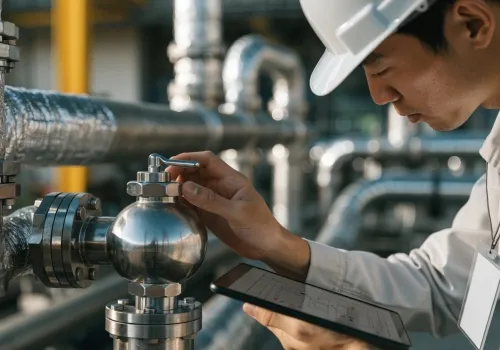
You cannot guess when buying valves for extreme environments. A small mistake in material choice causes severe rust and leaks. I always look at specific details before placing an order for my company. When you order parts, you must consider the exact chemical makeup of the oil or gas flowing through the system. You also need to look at the maximum heat the system will generate. We always review the site data sheet before we suggest a product. This extra step prevents sudden failures.
· Works great with standard non-corrosive environments
· Stops rust effectively in wet gas lines
· Handles highly sour gas (contains hydrogen sulfide) safely
· Compares maximum working pressure against valve limits
· Checks temperature limits of the soft seat materials
· Calculates flow speed to avoid pipeline bottlenecks Let us look at a simple selection guide we use at Eflow Valve:
| Feature | Standard Application | Harsh Application |
|---|---|---|
| Body Material | Carbon steel | Duplex stainless steel |
| Seat Material | PTFE plastic | PEEK or solid metal |
| Design Type | Floating ball | Trunnion mounted |
| Standard | API 6D | API 6D and NACE MR0175 |
Weak flow control creates major safety hazards. You need components that stop leaks instantly. We trust these rotary valves because they deliver reliable performance under stress. The main benefits include high flow speed, quick shutoff action, and tight sealing. But potential risks involve seat damage from dirty fluids and higher costs for large models. You can easily fix these risks by picking the right body materials. Every component has strengths and weaknesses. You must understand both to keep your pipeline safe and efficient. Ball valves stand out because they act fast. A quick quarter-turn shuts off the flow completely. This speed prevents disasters during an emergency.
· Offers straight flow with almost zero resistance
· Provides tight shutoff to meet environmental rules
· Needs very little daily maintenance work
· Traps fluid in the center cavity when closed
· Takes seat damage if sand enters the line
· Freezes in winter if water remains inside To solve the cavity pressure problem, we always specify self-relieving seats for volatile liquid lines. If pressure builds up inside the ball, the seat flexes to release it back into the pipe. When handling crude oil with high sand content, we switch to metal-seated valves. The hard metal scrapes the ball clean instead of tearing like a soft rubber seat. This simple material upgrade prevents a catastrophic leak and keeps your site compliant with strict environmental safety laws. You save thousands in cleanup costs and protect your workers.
You likely have specific doubts before buying new equipment. Wrong information leads to costly sourcing errors. We compiled the questions our clients ask us daily. Users often ask about lifespans, maintenance schedules, and actuator compatibility. With proper care, these valves last over ten years. They need annual visual checks, and you can easily add electric or pneumatic actuators for safe remote control.
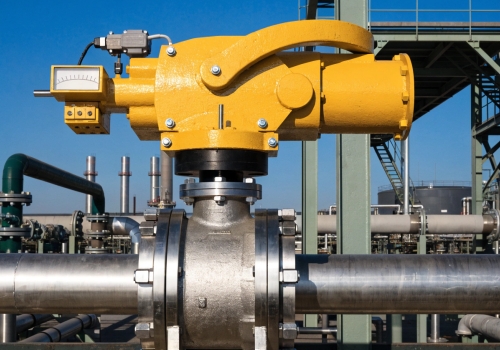
Clients often ask us to clarify technical details before they buy. Misinformation leads to costly sourcing errors for your project. We compiled the most common questions contractors ask us daily. You can use these facts to make better buying choices. You need quick and direct answers to make fast purchasing decisions. Here is the clear truth about our products.
Q1: How often should I test the valve operation?
A1: You should stroke the valve fully open and closed at least once every six months. This prevents the ball from sticking to the seats.
Q2: Can I use a standard valve for sour gas?
A2: No, you cannot. You must use valves built with NACE-compliant materials to prevent sudden cracking from sour gas (hydrogen sulfide) exposure.
Q3: What is the main difference between side-entry and top-entry?
A3: Side-entry valves cost less but you must remove them from the pipe to fix them. Top-entry valves cost more but allow you to repair internal parts while the valve stays welded in the pipeline.
Q4: Do you test valves for fire safety?
A4: Yes, we strictly follow API 607 standards. If a fire melts the soft seat, a secondary metal lip creates a seal to prevent fueling the fire. This gives your emergency team time to react.
Choosing the perfect ball valve for oil and gas industry ensures your pipeline stays safe. Contact Eflow Valve today for reliable industrial valves tailored exactly to your next project needs.



 English