
Leaking valves cause pipeline failures and inflate maintenance budgets. You need a reliable flow control solution. We provide the ultimate guide to selecting the right industrial butterfly valve. An industrial butterfly valve is a quarter-turn mechanism used to stop, regulate, or start fluid flow. It uses a rotating central disc to control liquids and gases efficiently. These valves offer low costs, compact sizes, and fast operation for various piping systems.
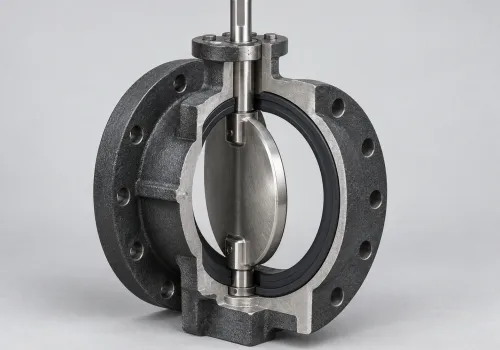
Choosing the wrong valve puts your entire project at massive risk. However, understanding the core mechanics and types will help you save time and cut replacement costs. Let us break down everything you need to know to make a smart purchasing decision.
Unsure how these valves handle massive fluid pressure? A misunderstood mechanism leads to poor operation. Let us clarify the exact working principles to ensure safe flow control. The valve works by rotating a central disc connected to a stem. When the disc is parallel to the flow, fluid passes freely. Turning the disc 90 degrees blocks the flow completely, providing a tight, leak-proof seal.
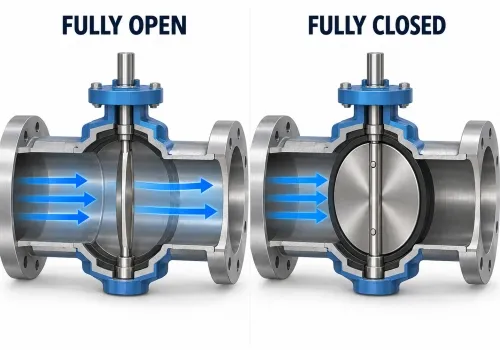
To fully grasp the fluid control process, you must know the core components. Each part plays a specific role in managing pipeline pressure and preventing costly leaks.
· Rotating disc: This acts as the internal gate. We mostly use stainless steel to ensure high durability against rust.
· Sealing seat: The inner soft ring ensures a completely leak-proof shutoff.
· Stem and actuator: The central stem connects the metal disc to the outside handle or electric motor. Operating this valve requires strict precision. If you open the disc to a 45-degree angle, you can easily regulate the fluid flow rate. We call this process throttling. During our recent factory export project, a client reduced energy waste by 15% simply by calibrating the actuator angles correctly. The simple quarter-turn operation means your maintenance team can shut down piping systems rapidly during a factory emergency. This rapid response effectively prevents dangerous fluid spills. Always ensure your actuator matches the required turning torque. If the torque is too low, the valve will fail to close fully under heavy water pressure, causing major system leaks.
Overwhelmed by too many valve options? Picking the wrong design ruins your pipeline joints. We compare the exact types you need for secure and lasting installations. The main types are wafer, lugged, and double-flanged butterfly valves. Wafer types are lightweight and fit tight spaces. Lugged types allow single-side pipe maintenance. Double-flanged types handle the highest pressure and heavy-duty industrial applications. Selecting the right design depends heavily on your specific pipeline requirements and budget constraints. Let us carefully examine the specific features of each type so you can source the exact match for your upcoming project.
· Wafer style: This design fits snugly between two pipe flanges. It is the cheapest option but lacks single-side pipe isolation.
· Lug style: This type features threaded metal inserts. You can bolt it securely to each pipe flange separately.
· Double flanged style: This model uses two large mounting flanges. It easily handles extreme fluid pressure up to 1000 ANSI. Beyond the basic body style, the offset design matters greatly for performance. A zero-offset valve works perfectly for basic low-pressure water systems. However, a double-offset or triple-offset valve uses a unique cam turning action. This specific metal-to-metal sealing reduces internal friction and greatly extends the overall lifespan of the seat. For example, upgrading to a triple-offset valve in a high-temperature steam project saved one of our factory clients $12,000 in yearly replacement costs. Choosing the correct industrial butterfly valve type always keeps your project running smoothly and protects your bottom line.
| Feature | Wafer Type | Lugged Type | Double Flanged Type |
|---|---|---|---|
| Best used for | Low pressure water | Routine maintenance | High pressure pipelines |
| Cost level | Low | Medium | High |
| Weight | Lightweight | Heavier | Very heavy |
| Isolation | No | Yes | Yes |
Frequent valve leaks destroy project timelines and waste money. Ignoring basic maintenance causes sudden system failures. We provide practical steps to keep your valves functioning perfectly. You can prevent risks by choosing the right seat material, conducting regular leak tests, and lubricating the stem. Proper material selection prevents corrosion, while routine checks stop minor friction from becoming a major mechanical failure.
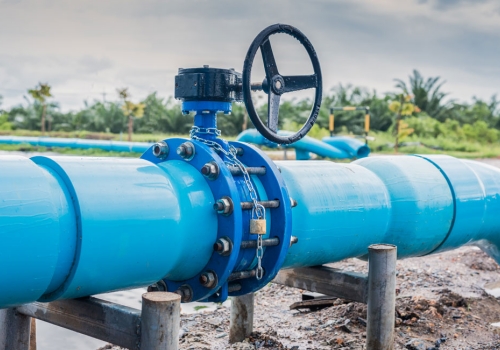
Routine maintenance keeps your pipeline running smoothly and safely. Many buyers completely ignore material compatibility, which leads to rapid seat degradation. We highly recommend matching your valve materials directly to the chemical fluid type.
· Check the seat: Look closely for tiny cracks in the rubber or PTFE lining every six months.
· Test the actuator: Ensure the pneumatic or electric motor turns the inner disc a full 90 degrees.
· Clean the pipeline: Remove hard dirt and solid debris to prevent the disc from scratching the soft seal.
· Verify torque settings: Re-tighten the metal flange bolts to maintain even clamping pressure across the body. Using EPDM rubber seats for abrasive chemicals is a very common buyer mistake. You must use PTFE seats for aggressive acid media. In our valve testing lab, EPDM seats exposed to harsh industrial acids failed within three months, while PTFE seats lasted over five years under the exact same conditions. Always store your spare valves in a dark, dry place with the disc slightly open to protect the outer rubber edges from permanent warping. These simple maintenance actions drastically reduce your operational risks.
Buyers often have doubts before placing large orders. Unanswered questions delay your sourcing process. We compiled the most pressing questions to clarify your purchasing journey. The most common questions cover pressure limits, flow direction, and lifespan. Butterfly valves handle pressures up to 20 Bar, support bi-directional flow, and can last 10 to 15 years with proper care and accurate material selection. Understanding specific technical details helps you communicate much better with your site engineering team. Here are the direct, simple answers to the most common questions we receive daily from purchasing managers just like you.
Q1: Can an industrial butterfly valve handle high heat?
A1: Yes, but you must choose a triple-offset design equipped with a solid metal seat. Standard rubber seats will melt above 130°C, while Stellite metal seats handle up to 400°C safely and securely.
Q2: What is the main difference between a gate valve and a butterfly valve?
A2: A gate valve moves up and down very slowly, while a butterfly valve uses a quick, simple quarter-turn disc. Butterfly valves are significantly lighter, much cheaper, and take up much less pipe installation space.
Q3: Can I use these specific valves for thick slurries or heavy mud?
A3: Yes, but you must select a valve body with a highly durable disc and an abrasion-resistant seat. Thick mud debris can sometimes get trapped around the central stem. You will need to perform regular water flushing to maintain a tight, clean seal.
Choosing the right industrial butterfly valve ensures pipeline safety and reduces long-term costs. Contact Eflow Valve today for high-quality, export-ready valves that perfectly match your exact project requirements!



 English