
You face sudden leaks. Your fluid system stops working. Production delays cost you money. You need a reliable plan to keep your valves working perfectly every single day. Industrial valve maintenance is the regular inspection, testing, and repair of fluid system valves. This process prevents leaks, ensures safety, and stops costly downtime. Good maintenance starts with proper installation and includes regular preventative checks based on temperature and pressure.
You might think valve repairs take too much time. You might want to skip these routine checks to save a few hours today. You will read the next sections to understand why skipping maintenance will destroy your budget tomorrow.
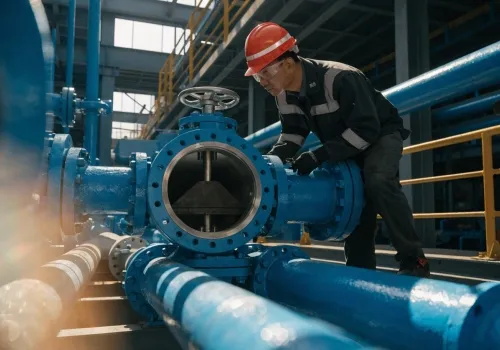
A new valve fails quickly. You lose money on a broken part. You realize bad installation causes early damage to your entire fluid system. Good industrial valve maintenance begins with proper installation. You must follow the manufacturer instructions exactly. You need to check the system pressure and temperature limits. You also need to leave enough space around the valve for future hands-on repairs.
I see many projects fail because workers install valves poorly. I remember a water treatment project I managed last year. The workers installed the valves backwards. The system leaked immediately. I want you to avoid this mistake. You must support the pipes on both sides of the valve. This stops bad vibrations. Vibrations will destroy the valve seats. You also need to keep the process fluid clean. Dirt and particles ruin the seals. You can install filters to catch this dirt. Eflow Valve always provides clear manuals for every product. We want your installation to be easy and safe. You must mount the valves to a fixed spot. You must check for leaks right after you install them. I made a simple table to help you check your installation steps.
| Action Step | Reason |
|---|---|
| Read the manual | Helps you understand assembly steps |
| Check pressure ratings | Stops the valve from breaking under stress |
| Add pipe filters | Removes dirt that damages valve seats |
| Leave free space | Makes future inspections easy for workers |
| Support the pipes | Reduces vibration and extends valve life |
Small leaks grow into massive spills. You face environmental fines and safety risks. You need a preventative schedule to catch small problems early. You perform preventative industrial valve maintenance by checking valves regularly for leaks. You base your schedule on fluid type, pressure, and usage frequency. You use liquid leak detectors or ultrasonic tools to find hidden issues before they cause system failures.
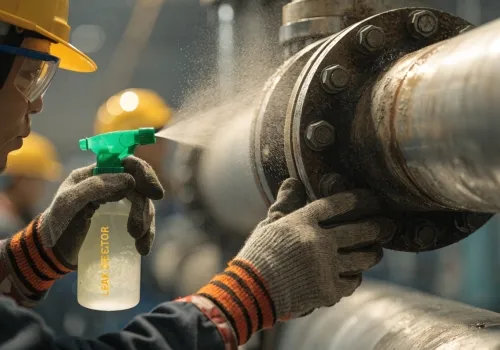
Safety is the first step in any maintenance plan. You must check your company safety rules before you touch any valve. I spent a lot of time working on a large mining pipeline project in South Africa. The harsh environment tested our equipment. We learned that regular preventative checks saved the whole project. Our Eflow Valve products performed very well there. We built a strict schedule to check every part. We trained the local workers to spot small leaks. You can use your nose to smell chemical leaks. You can use your eyes to see fluid drops. You must find the leak early. Unreliable metal seals cause many leaks. Bad pipe connections also cause problems. You can adjust your check-up times based on what you find. If a valve wears out fast, you check it more often. I use tags to mark each valve. The tags tell workers when to inspect them next.
| Common Leak Cause | Simple Solution |
|---|---|
| Bad end connections | Re-tighten or replace the pipe fittings |
| System dirt | Flush the system and replace filters |
| Worn out seals | Install a new seal kit |
| High vibration | Add strong pipe supports near the valve |
A valve stops closing. Your fluid keeps moving through the line. You need a simple way to find the broken part and fix it fast. You can service valves using four simple steps: test, inspect, repair, and maintain. You first test the valve to find the leak type. You inspect the seats and O-rings. You replace the worn parts. You then update your maintenance schedule.
You will find two main types of leaks. The first type is a seat leak. The fluid stays inside the pipe, but the valve cannot stop the flow. The internal seal is bad. The second type is a shell leak. The fluid escapes into the air outside the valve. This happens through the valve body or the stem. I always tell my team to test the valve first. You must know how the leak acts. Next, you must open the valve and look inside. You inspect the O-rings. You check the stem tips for scratches. You look at the seats. You do not always need to buy a whole new valve. You can often buy a repair kit from Eflow Valve. You take out the old seat and put in the new one. This saves you a lot of money. After you finish the repair, you must record the damage. This information helps you plan better.
| Step Name | What You Do |
|---|---|
| Test | Find out if it is a seat leak or a shell leak |
| Inspect | Look for damage on O-rings, stems, and seats |
| Repair | Swap the broken internal parts with new ones |
| Maintain | Write down the wear patterns for future checks |
Repairs cost money and take time. You spend hours fixing an old valve. You realize buying a new valve is cheaper and faster. You should replace a valve when heavy rust destroys the body. You also replace it when dirt permanently ruins the inside. Sometimes, buying a new valve costs less than paying workers to fix an old one. Replacement ensures better safety for your system.
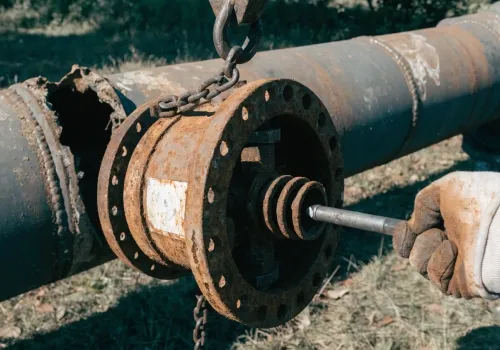
Leaks cost a lot of money. I once visited a water plant in Kenya. They had a small leak. They lost six drops of fluid every minute. They lost about 180 liters in one year. The fluid was expensive. The leak cost them over 700 dollars a year. A new valve from Eflow Valve cost much less than that. You must think about the total cost. You pay for the lost fluid. You pay the workers to test the old valve. You pay for the machine downtime. Sometimes you cannot repair a valve at all. Heavy rust makes the metal weak. A weak body cannot hold high pressure. This is very dangerous for your workers. Sometimes workers tighten the connections too much. They break the metal threads. You cannot use that valve again. You must buy a new one. I help my clients weigh these costs. We choose the safest and cheapest option together.
| Condition | Best Action |
|---|---|
| Scratched O-ring | Repair |
| Heavy body rust | Replace |
| Broken threads | Replace |
| Worn out seat | Repair |
| Cheaper to buy new | Replace |
You still have questions. You want quick answers to common problems. You want clear facts to make fast decisions for your daily work. This section answers common questions about valve servicing. You will learn about service frequency, leak risks, and safety steps. These quick answers help you keep your fluid systems running smoothly and protect your workers from sudden accidents.
I get many questions from my clients about maintenance. I want to share the most common ones with you.
Q: How often should I check my industrial valves?
A: You should check them based on your system conditions. High pressure and harsh chemicals require monthly checks. Normal water systems need checks every six months.
Q: Can I fix a valve while the system is running?
A: No. You must stop the fluid flow. You must release the pressure. Safety is your first job. Never open a valve under pressure.
Q: Why does my new valve leak right after installation?
A: Bad installation causes most early leaks. Workers might install it backwards. Dirt might enter the pipe during assembly. You must flush the pipe before you install the valve.
Q: What is the main benefit of buying seal kits?
A: Seal kits save you money. You replace only the cheap rubber parts. You keep the heavy metal body. This reduces your repair costs and shipping fees.
Regular valve maintenance stops leaks and saves money. Good installation and timely repairs protect your fluid system. Eflow Valve provides the reliable products you need for safe operations.



 English