
Choosing the wrong valve causes leaks and slows down your project. This costs you money and time. Let me show you how to pick the right one. The most common types of industrial valves include ball valves, gate valves, globe valves, check valves, and butterfly valves. These mechanical devices start, stop, or control the flow of liquids and gases in a pipeline system to keep operations safe and smooth.
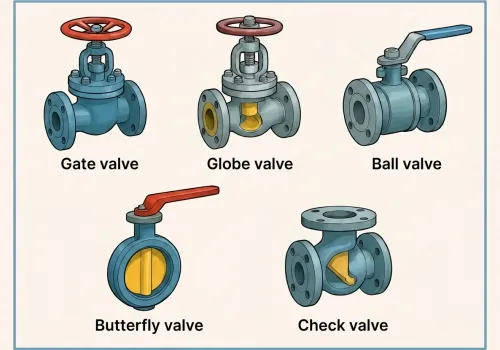
If you do not care about the long-term safety of your pipes or saving money on your projects, you should stop reading here. But if you want to know the exact details that will make your next purchase a success, let us continue.
Do you need a fast way to shut off flow? Slow valves cause spills and waste material. A ball valve solves this problem quickly. A ball valve uses a round, hollow ball with a hole inside. When you turn the handle, the hole lines up with the pipe to let fluid pass. Turn it again, and it stops the flow completely and tightly.
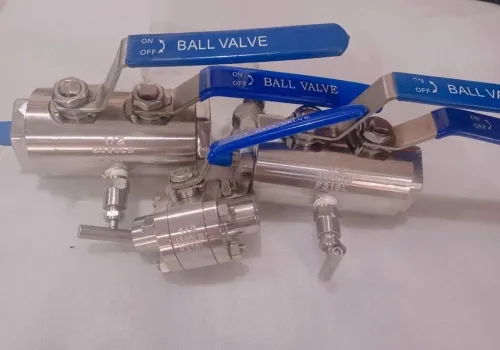
At Eflow Valve, we sell a lot of ball valves. They are easy to use and very reliable. I remember a water treatment project we did in Kenya last year. The local contractor had problems with cheap valves leaking under high pressure. This caused big delays. We talked with their team and suggested our heavy-duty ball valves. They needed a quick shut-off feature to stop water loss during emergencies. Our valves provided a tight seal instantly. This saved them from daily maintenance work and stress. A ball valve is perfect for liquids and gases. You can open or close it with a simple 90-degree turn of the handle. But you must remember one rule. It does not work well for controlling the exact amount of flow. It is best for just opening fully or closing fully. Using it halfway can damage the valve seat. Here is a simple table to help you understand its best uses.
| Feature | Description |
|---|---|
| Main Function | Quick open and close |
| Best Media | Clean liquids and gases |
| Operating Speed | Very fast (90-degree turn) |
| Maintenance Level | Low |
Fluid pressure drops can hurt your pipeline. Some valves block the flow path and cause this drop. Gate valves keep the path clear. A gate valve uses a flat metal gate that slides up and down. When fully open, the gate moves completely out of the way. This allows fluids to flow straight through without any resistance or pressure drop. You should use gate valves when you need full flow. They are not good for regulating flow. If you leave a gate valve half-open, the fast fluid will shake the gate. This vibration will damage the valve over time. I always tell my clients to use them fully open or fully closed. We recently supplied these for a large pipeline project in Nigeria. The local engineers needed valves for their main oil transport lines. They needed valves that would not slow down the thick oil as it traveled long distances. Our gate valves were the perfect match for them. They take a little time to open because you have to turn the top wheel many times. But once they are open, the fluid moves freely. This reduces wear and tear on their expensive pumps. Let us look at the main features of gate valves in this simple table.
| Feature | Description |
|---|---|
| Main Function | Full flow or full stop |
| Flow Resistance | Very low |
| Operating Speed | Slow (multiple turns required) |
| Common Use | Main pipelines, oil, water |
Do you need to control the exact amount of liquid flowing? Standard shut-off valves cannot do this well. Globe valves give you this exact control. A globe valve uses a plug that moves up and down against a ring seat inside a round body. This design forces the fluid to change direction. It is the best valve for adjusting and controlling the flow rate.
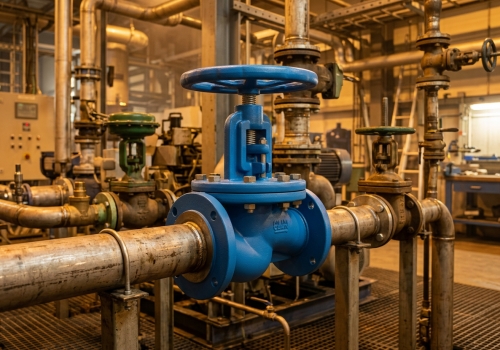
Globe valves are very different from ball or gate valves. You use them to throttle or adjust the flow. Because the fluid changes direction inside the valve body, it creates a pressure drop. This is normal. At Eflow Valve, we produce heavy-duty globe valves for extreme conditions. I had a meeting with a buyer from South Africa last month. They were building a large chemical plant. They needed to mix different chemicals at very precise flow rates. They asked me which among the different types of industrial valves would work best. I told them globe valves were the only safe and exact choice for this task. They ordered over 200 units from us. The installation went perfectly, and the plant is running smoothly today. Globe valves cost a bit more and are heavier, but their ability to control flow is totally unmatched in the industry.
| Feature | Description |
|---|---|
| Main Function | Adjusting and throttling flow |
| Pressure Drop | High |
| Sealing Ability | Very good |
| Best Application | Cooling water, chemical mixing |
Backflow can ruin your expensive pumps. Water flowing the wrong way causes huge damage. Check valves stop backflow instantly. A check valve is an automatic safety valve. It only allows fluid to flow in one direction. If the fluid tries to flow backward, the valve closes automatically to protect the pumps and the rest of the pipeline system. You do not need a handle or a wheel to operate a check valve. It works entirely based on the flow of the fluid. When fluid moves forward, it pushes the inner flap or disc open. When the pump stops, gravity or backward pressure pushes the disc closed. This is a very simple but vital tool. We ship many check valves to our partners in Egypt for their large farming irrigation systems. In those systems, water must move from the river to the fields, and never backward. If water flows backward when the power goes out, it can break the large water pumps. The local farmers depend on our valves to keep their equipment safe. There are many designs of check valves, like swing check and lift check. At Eflow Valve, we help you pick the right design based on how your pipes are placed.
| Feature | Description |
|---|---|
| Main Function | Prevent reverse flow |
| Operation Type | Automatic (no handle needed) |
| Safety Role | Protects pumps and meters |
| Flow Direction | One way only |
Heavy valves make installation very hard and expensive. Big pipes need big valves, but they do not have to be heavy. Butterfly valves are light. A butterfly valve uses a flat metal disc mounted on a rod in the middle of the pipe. You turn the handle a quarter-turn to open or close it. It is thin, lightweight, and takes up very little space. The butterfly valve is one of the most useful types of industrial valves for large pipes. Because it is thin, it uses much less metal than a big gate valve. This makes it much cheaper and easier to transport and install. You just slide it between two pipe flanges and tighten the bolts. We had a huge project in Ghana last year involving city water supply lines. The pipes were very large. If the government used gate valves, the cost would have been too high. The massive weight would also have required special supports built under the pipes. We worked closely with the local government. We provided our Eflow Valve butterfly valves instead. We saved them a lot of money and weeks of time. The disc stays in the middle of the fluid flow, so it does create a small pressure drop. But for plain water and air systems, it is almost always the best choice.
| Feature | Description |
|---|---|
| Main Function | Shut off and basic flow control |
| Size and Weight | Thin and very lightweight |
| Cost | Very cost-effective for large sizes |
| Best Use | Water treatment, large air lines |
Q: What are the 5 main types of industrial valves?
A: The five main types are ball valves, gate valves, globe valves, check valves, and butterfly valves. Each type has a specific job, like completely stopping flow, starting flow, or carefully controlling the flow rate.
Q: How do I choose the right valve for my project?
A: You need to look at your fluid type, the pipe pressure, and the temperature. You also need to know if you just want to stop the flow quickly or if you need to adjust the flow rate carefully.
Q: Can Eflow Valve supply large projects in Africa?
A: Yes. We have deep experience working on large water, chemical, and oil projects across Africa. We have successfully supplied valves to Kenya, Nigeria, South Africa, Egypt, and Ghana. We offer one-stop, reliable solutions.
Knowing the different types of industrial valves helps you build safer and cheaper pipeline systems. Contact Eflow Valve today, and we will help you find the perfect match for your project.



 English