
Leaks cause serious accidents on site. Bad valves shut down your whole plant and lose money. I will show you how to pick the best parts. The main types of ball valves in oil and gas industry include floating and trunnion-mounted designs. You can also group them by port size, like full bore or reduced bore, and by body style, such as welded, top-entry, or side-entry models.
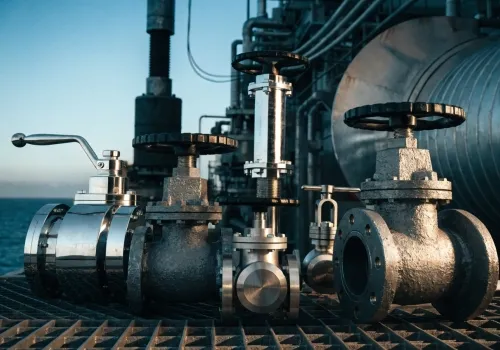
I want to explain exactly how these tools work. You can stop wasting money on the wrong equipment. Read the details below to find the best match for your project.
High pressure breaks weak valve seals. This ruins your pipeline and harms the environment. We fix this by matching the right mechanical design to your specific pressure needs. Floating ball valves use fluid pressure. The pressure pushes the loose ball against the seat to seal the flow. Trunnion-mounted valves hold the ball with top and bottom pins. They use spring-loaded seats to handle high pressure without leaking.
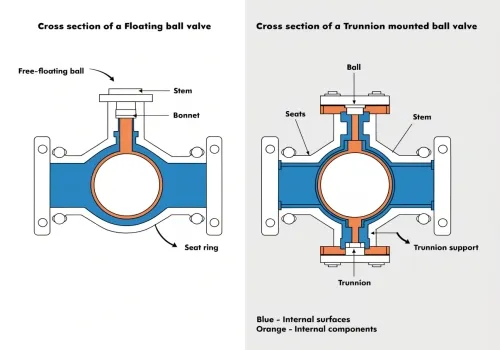
At Eflow Valve, we deal with heavy-duty pipeline requests every day. I see many buyers get confused about internal designs. You must choose based on pressure and pipe size. Floating valves work great for low-pressure pipes. They have simple parts. They cost less money. But fluid pushes the floating ball very hard during high pressure. This heavy push ruins the soft seats quickly. You cannot use floating valves safely in large gas lines. Trunnion valves solve this high-pressure problem. Strong metal pins hold the ball in place. The ball does not move backward. Instead, the seats move forward to touch the ball. This design keeps friction very low. Workers can turn the valve handle easily. You save money on large actuators.
Last year, my team at Eflow Valve supplied materials for a big natural gas project in Turkey. The local network faced very high pipeline pressure. The Turkish engineers needed reliable parts. They had to close valves fast during emergencies. We shipped them our heavy-duty trunnion-mounted ball valves. The top and bottom pins kept the valves stable. Our tight seats stopped all leaks. The gas flow remained safe and steady. Our Turkish clients finished their project ahead of schedule.
| Feature | Floating Ball Valve | Trunnion-Mounted Ball Valve |
|---|---|---|
| Ball Support | Loose, pushed by fluid | Supported by top and bottom pins |
| Best For | Low to medium pressure | High pressure and large pipes |
| Seat Design | Fixed seats, moving ball | Moving spring seats, fixed ball |
| Cost | Lower initial cost | Higher initial cost |
| Operating Force | High effort under pressure | Low effort even at high pressure |
Sludge builds up inside pipes over time. Blocked pipes stop fluid flow and require expensive cleaning. Choosing the right inner opening keeps your lines clear and your business running. Full bore valves have a large opening. This opening equals the pipe diameter. Fluids pass through them without any restriction. Reduced bore valves have a smaller hole. They drop fluid pressure slightly. But they cost less and save space.
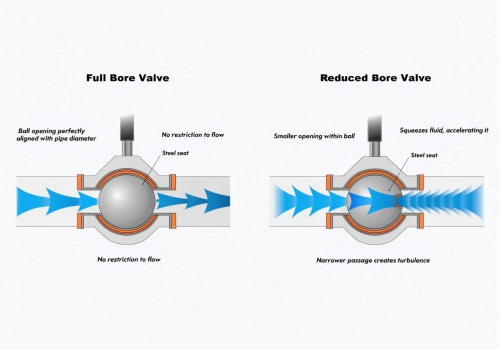
Pipeline maintenance takes a lot of time. Workers use cleaning devices called pigs. You push these pigs through the pipe using fluid pressure. The pig scrapes sludge off the walls. If your valve has a small hole, the pig gets stuck. This blocks the whole pipeline.
You must use full bore valves for pigging operations. The fluid goes straight through the valve body. It hits no walls. It loses no speed. Long-distance transport lines need this open design.
Sometimes you lack space on site. Sometimes you have a tight project budget. You do not always need internal cleaning tools. In these cases, you can install reduced bore valves. They use less steel. They weigh less. They save you money during installation.
I recently managed a crude oil pipeline order for a client in Africa. Crude oil leaves thick, sticky dirt on pipe walls. The operators needed to clean the lines every month. We supplied them with our premium full-bore welded ball valves. The large inner path let their cleaning pigs pass smoothly. The welded outer body kept desert sand out of the mechanism. Our African partners saved thousands of dollars in pipeline repair costs.
| Bore Type | Flow Restriction | Cleaning Ability | Weight and Cost |
|---|---|---|---|
| Full Bore | No restriction | Excellent for pigging | Heavier, more expensive |
| Reduced Bore | Slight pressure drop | Cannot use cleaning pigs | Lighter, cheaper to buy |
Harsh chemicals eat through standard metals easily. Rusted parts cause massive chemical spills and shut down plants. We select tough materials to protect your system from aggressive fluids. Carbon steel valves handle standard oil and gas flows. Stainless steel valves resist rust. We use special metals like duplex steel for harsh environments. Soft seats block fluid tightly. Metal seats survive extreme heat and dirty fluids.
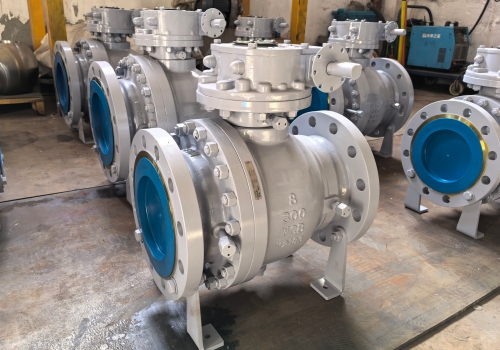
Your material choice decides the lifespan of your equipment. The oil and gas sector moves sour gas, saltwater, and sharp sand. The wrong metal rusts quickly. The valve breaks down. At Eflow Valve, we check every piece of raw metal. We make sure it meets high industry standards.
The seat sits inside the valve body. It touches the ball to stop the fluid. Soft seats use plastic materials like PTFE. They create a perfect seal. But plastics melt in high heat. Sharp sand scratches plastic seats easily. Metal seats fix this heat and scratch issue. We use hard metal alloys to build them. They do not melt. They do not scratch. They handle hot and dirty fluids easily.
I helped a refinery plant upgrade its pipes last year. They processed hot fluids mixed with heavy sand. Their old plastic-seated valves leaked after two months. We replaced them with our metal-seated stainless steel valves. The hard metal stopped the sand from scratching the seal. The stainless steel body stopped chemical rust. Our heavy-duty valves kept their plant running safely. They did not have to stop production for unexpected repairs.
| Material Type | Main Advantage | Common Application |
|---|---|---|
| Carbon Steel | High strength, low cost | Standard oil transport lines |
| Stainless Steel | Stops rust and chemical attack | Corrosive fluids and offshore rigs |
| Metal Seats | Survives high heat and sand | Abrasive processing plant lines |
| Soft Seats | Perfect tight seal | Clean oil and natural gas flows |
Picking the right valve keeps your pipelines safe and efficient. Eflow Valve delivers reliable equipment for your toughest jobs. Contact us today to upgrade your industrial pipeline systems.



 English